
Mrs. Castleman is the bingo caller at West.


Fam Tip 5: Choose a Variety of Sources
Show kids how you get news & information from different places, & explain how you make your choices. Use words like "credible," "trustworthy," "respected," and "fair." As kids get older, introduce the ideas of bias, satire, and clickbait.

Have you been keeping up with our News and Media Literacy suggestions? Here are some questions that you could use as discussion prompts to see how things are sinking in!
bit.ly/OlyNMQ


Due to slick roads and dense fog, Olympia schools will have a one hour late start today (Friday, Jan. 24, 2020)
Family Tip 4: Discuss Fact vs. Opinion!
Play with ideas and decide which are facts and which are opinions. Ask: How tall are you? What's the best food in the world? Do you like dogs? Point out that both fact and opinion show up in the news, but opinion is usually(!) labeled.

Fearless Fact Finding!
Check out this list of trustworthy resources to help you learning what's true (and what is not!) on the web. You can even use one of them to look back in time and what was on a website in the past!


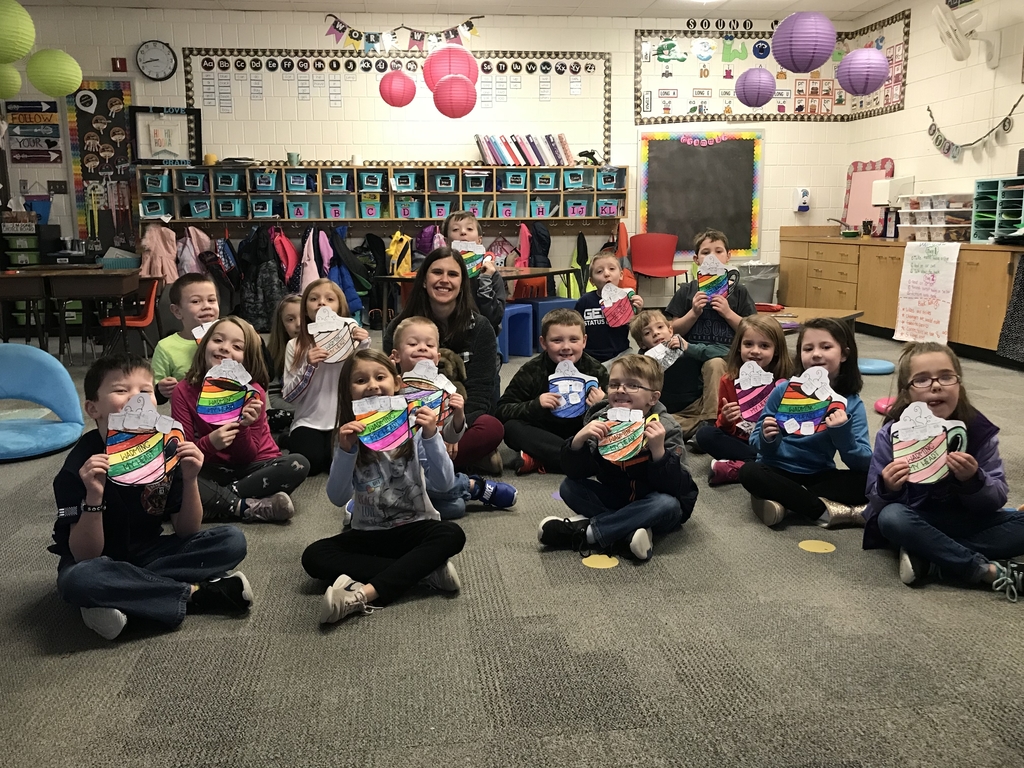
First graders share their cool down strategies over a cup of hot chocolate! #2ndstep
Who created this message? How does it try to attract my attention? Be a detective when looking at news and media!

Fam. Tip 3: Explore Different Sides of a Story!
Use real-life examples to help kids understand how people can view the same situation with totally different perspectives. Sibling conflict is a great example of how two people can have wildly different opinions on the same event.

If a picture's worth a thousand words, do the words always tell a true story? One way to find out is through a reverse image search. Search with an image instead of a keyword and see what you discover!

Link: http://bit.ly/OLYNMLr
Common Sense has released a brand new News & Media Literacy Resource Center with TONS of resources around this topic. Check out this new web series from Crash Course!
https://www.youtube.com/playlist?list=PL8dPuuaLjXtN07XYqqWSKpPrtNDiCHTzU

Link: http://bit.ly/OLYNMLr
Common Sense has recently released a brand new News & Media Literacy Resource Center with TONS of resources around this topic. Particularly neat is a new web series by Crash Course...check it out!
https://www.youtube.com/playlist?list=PL8dPuuaLjXtN07XYqqWSKpPrtNDiCHTzU


Oly West teachers working through a speed lesson planning challenge. They were asked to create a social emotional lesson in 10 minutes and had to incorporate a mystery item. Great ideas and great staff!


bit.ly/OlyNMV1 | bit.ly/OlyNMFR1
Kids find and read news in lots of ways. But studies show they're not very good at interpreting what they see. How can we help them get better? Teaching your kids about the structure of online news articles is an important place to start.

Family Tip 2: Play "Spot the Ad"!
When you see media, ask your kids to figure out what the ad is selling. Sometimes it's obvious, and sometimes it's not. Help them explore why certain pictures, sounds, and words are used to sell certain products.

Fake news is nothing new. Check out this timeline to learn about some ways it has been utilized throughout history to influence society. Ask your family about other examples that you know of and why they were used!

bit.ly/OlyNMV2
All media comes with an author and an agenda. Help kids think critically about any media they view with critical questions that dig below the surface. And to really empower kids, have them create their own media with these same questions in mind.

Family Tip 1: Encourage Healthy Skepticism!
Help kids analyze the messages around them - from toy packaging to Instagram posts to news headlines - and question the purpose of the words and images they see. Teach kids how to use fact-checking tools like Snopes and FactCheck.org.

Fourth graders have been practicing acts of kindness during the month of December. They made Christmas cards for community members. Today, every student received a card in return. Thank you and Merry Christmas!


After a day of Grinch activities, we had a special visitor at OWE today!
